About floors in Petworth
Period oak floors for Petworth homes.
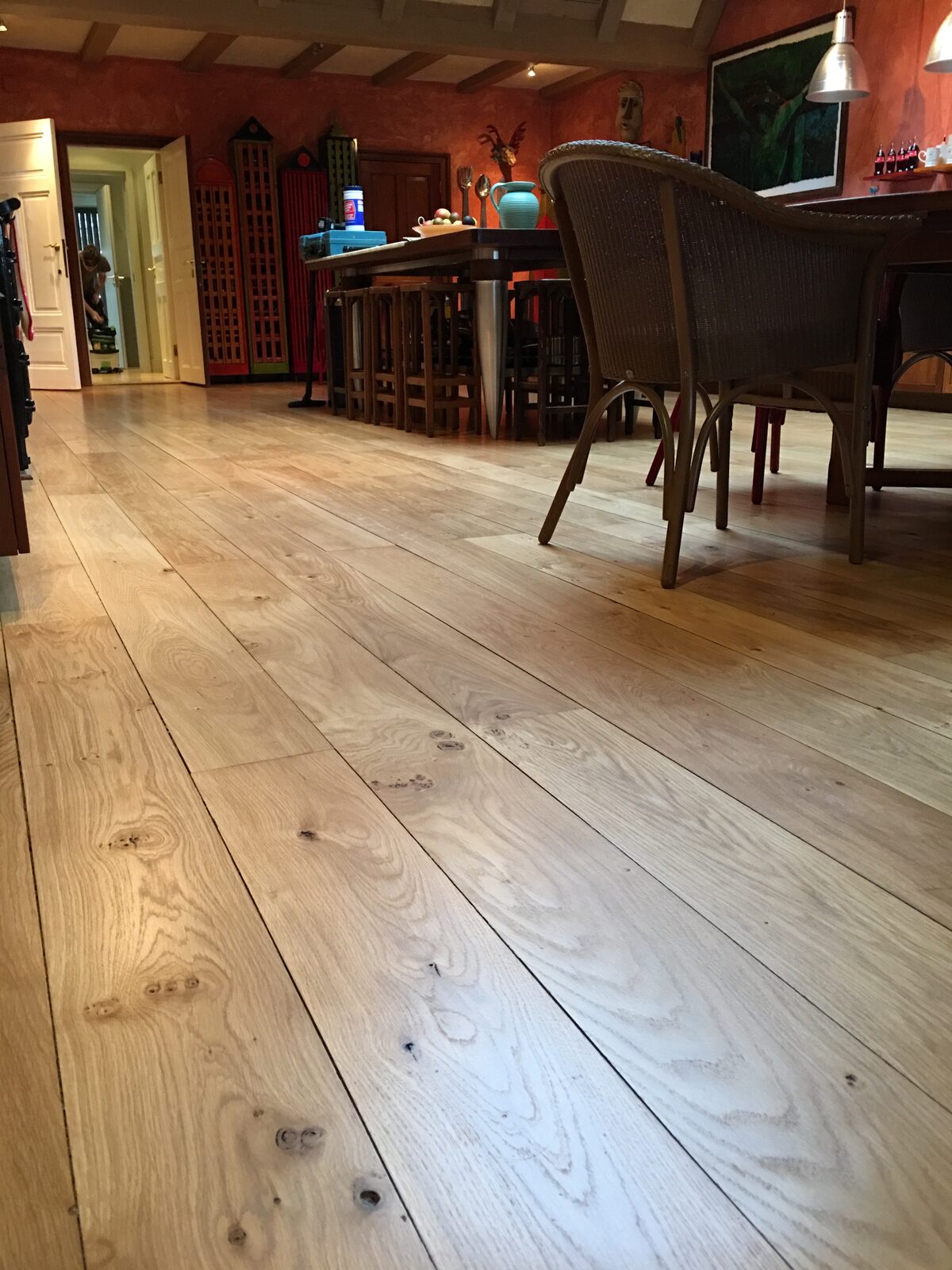
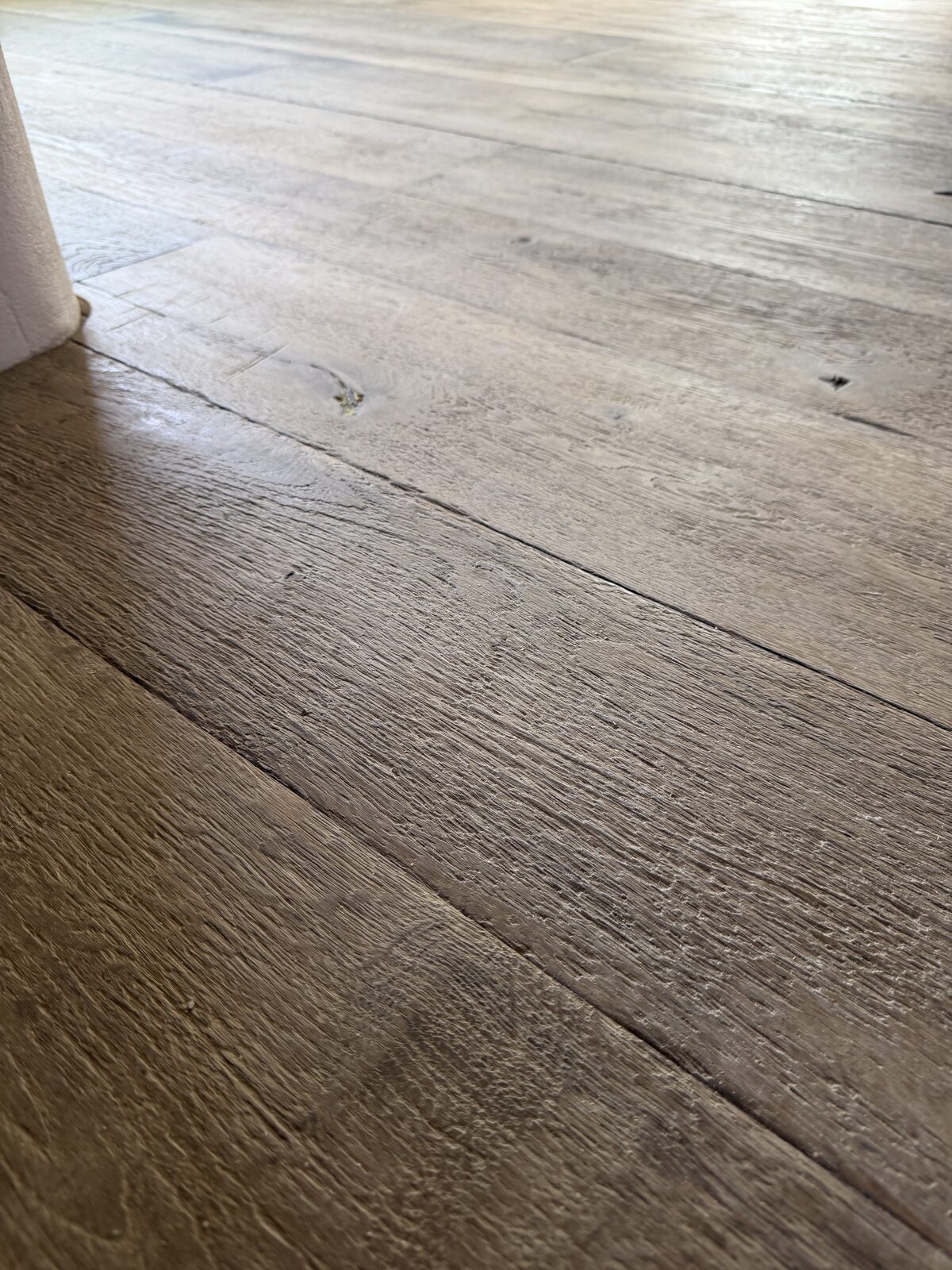
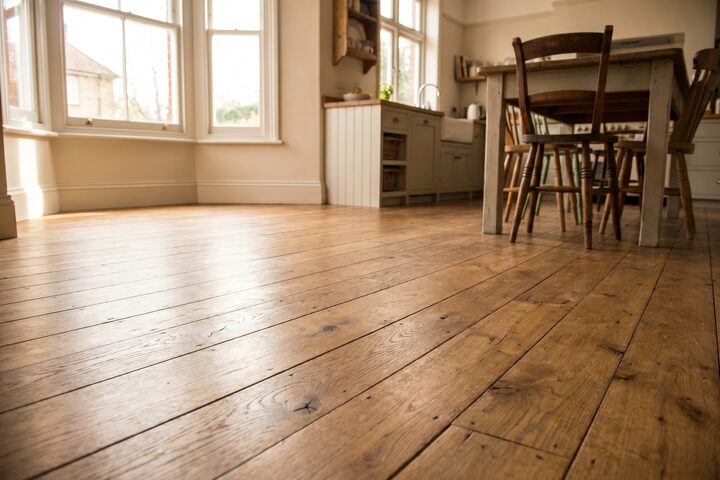
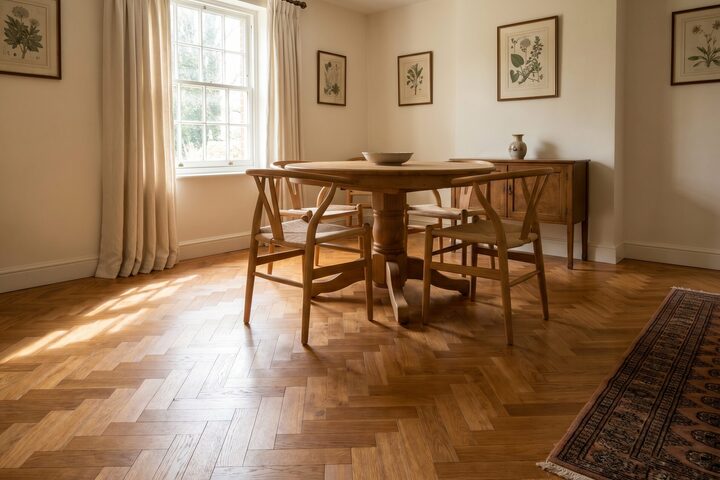
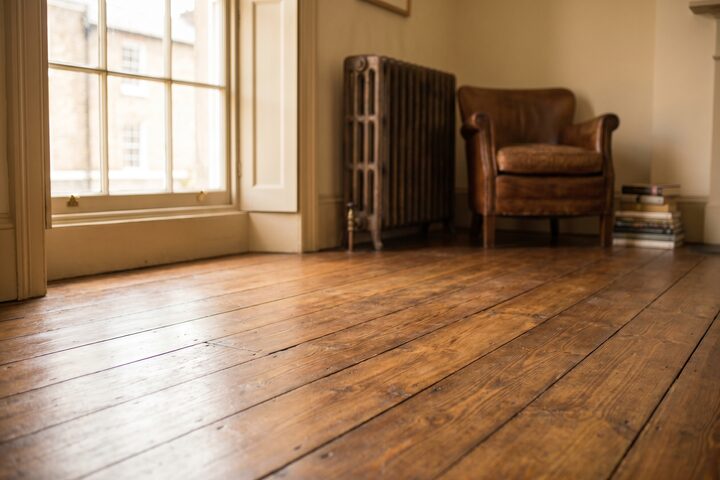
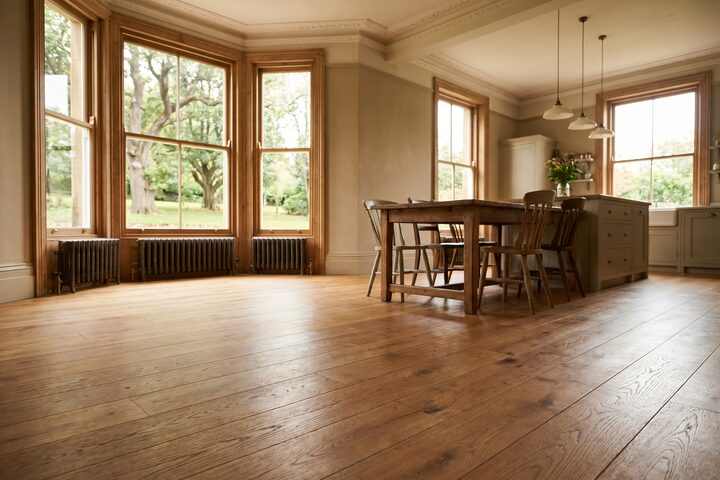
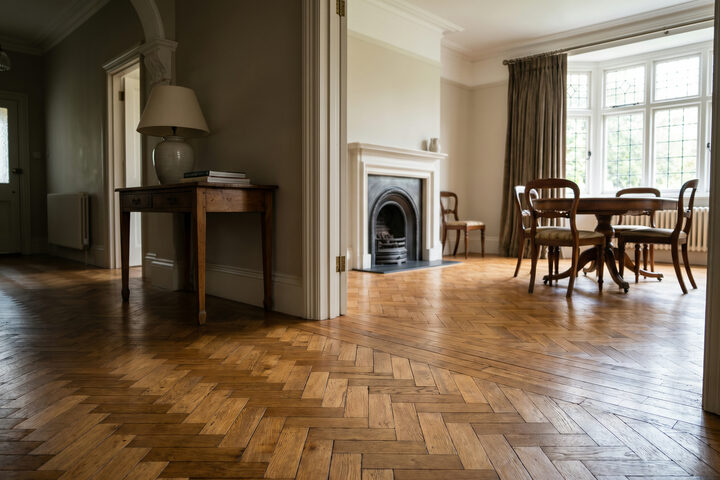
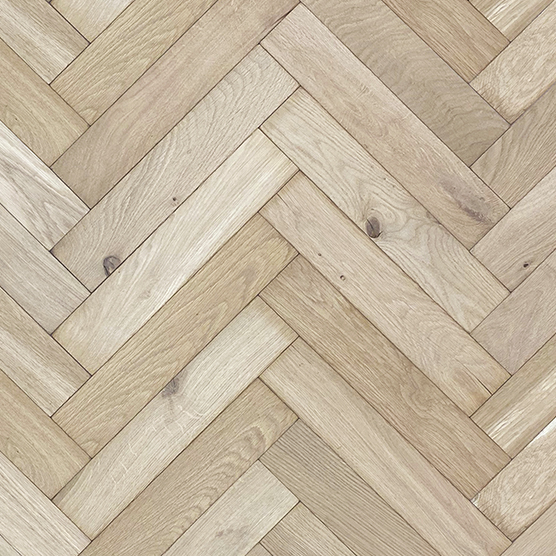
Petworth is the antique capital of the South Downs — forty minutes north of the Bognor workshop, half an hour east of Midhurst, with a cobbled Market Square, a 17th-century baroque mansion sat behind a thirteen-foot stone wall, and a working high street where roughly one in three shopfronts is still a proper dealer’s window full of Georgian mahogany and Regency silver. The architecture follows suit: stone-built mediaeval cottages thread along Lombard Street and Pound Street, Tudor and Jacobean townhouses sit shoulder-to-shoulder around the Square and East Street, the Georgian and Regency wing-houses line the approach down North Street, and Petworth House itself sweeps out into Capability Brown’s seven-hundred-acre deer park behind the wall. We’ve lifted plenty of original elm and pine board in the timber-framed cottages off Lombard Street, hand-buffed parquet back from a century of antique-trade footfall in the bigger Georgian properties around the Square, and laid wide-plank oak through the larger estate-edge houses up by Hampers Common.
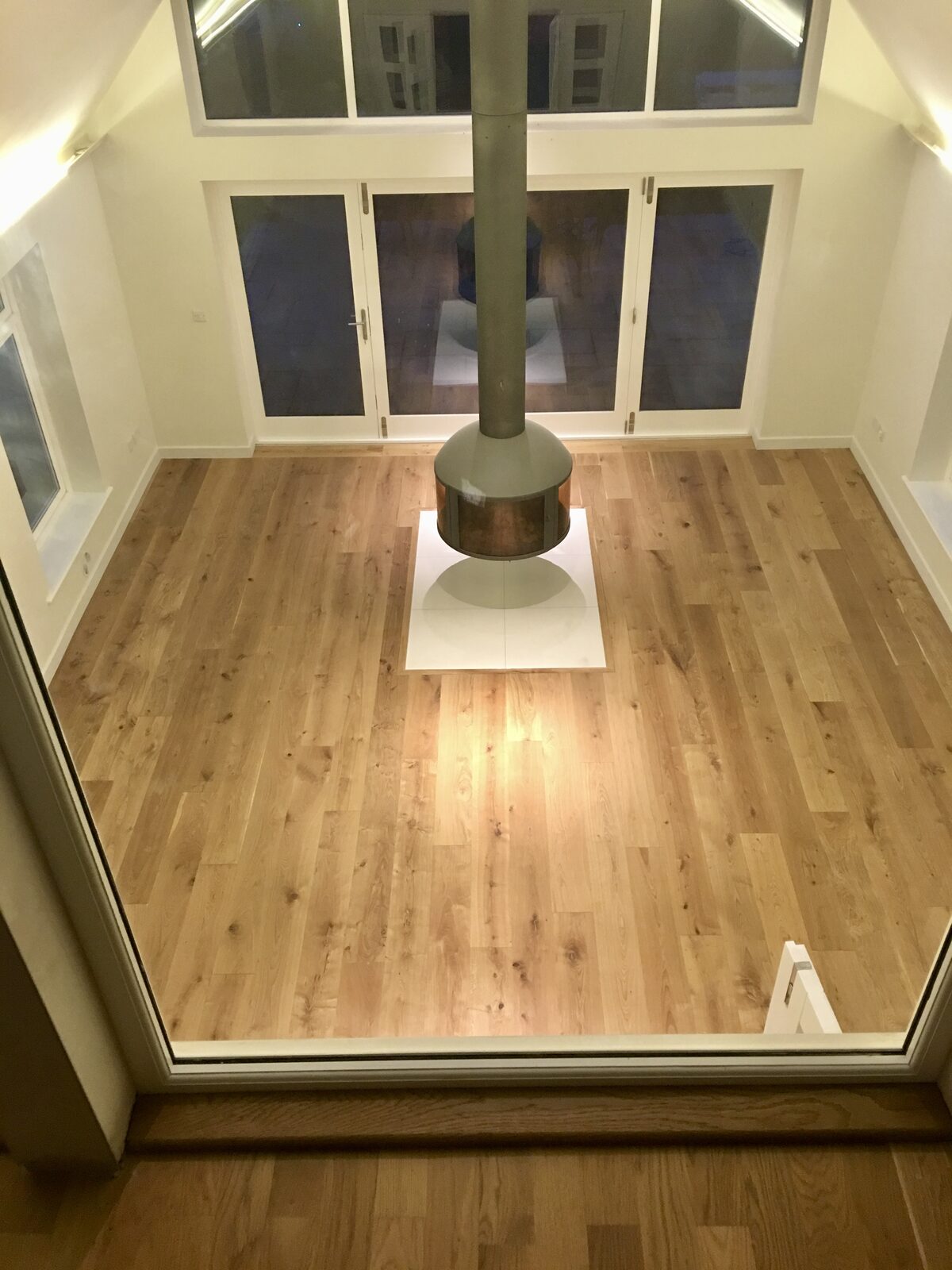
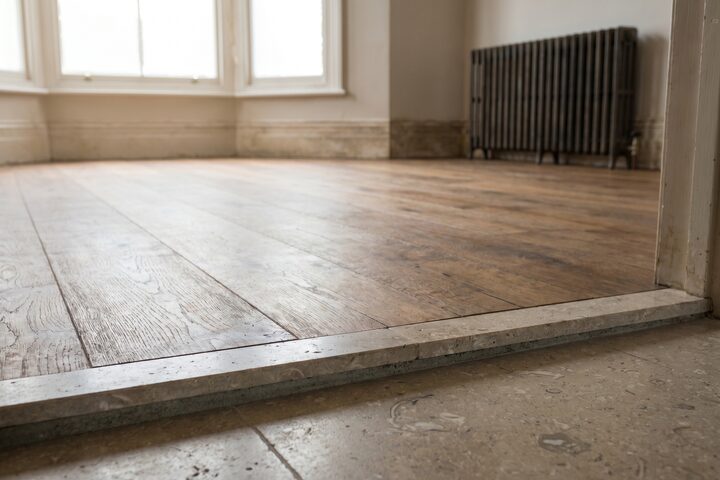
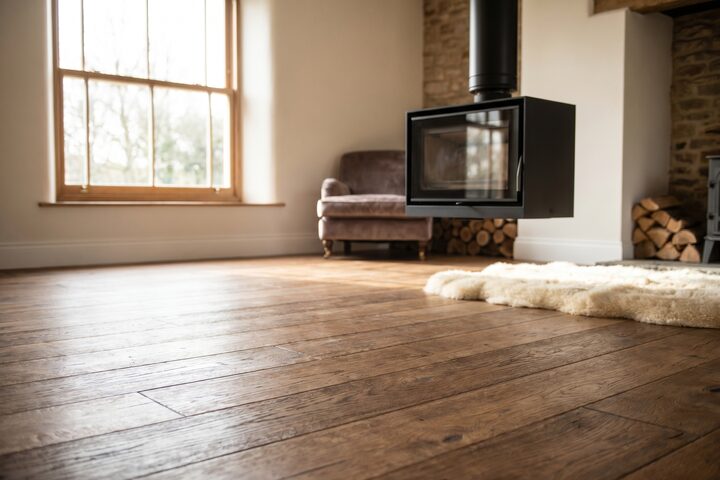
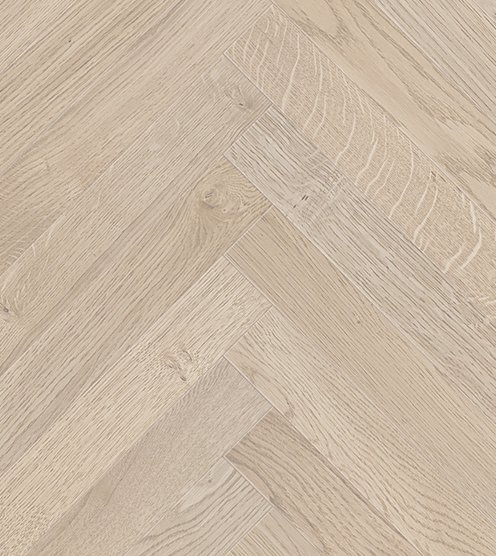
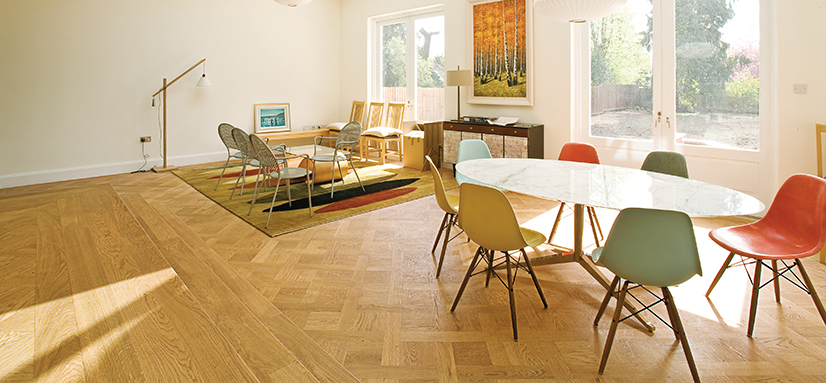
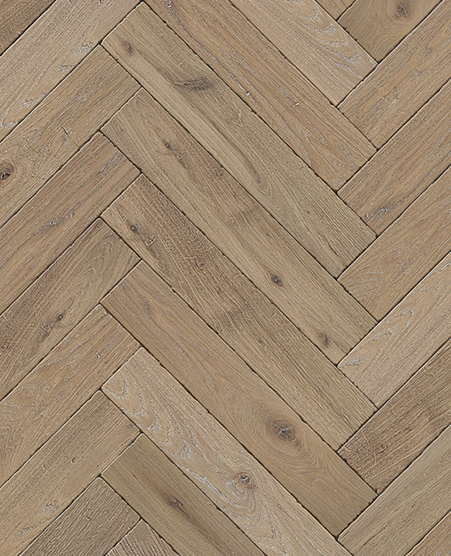
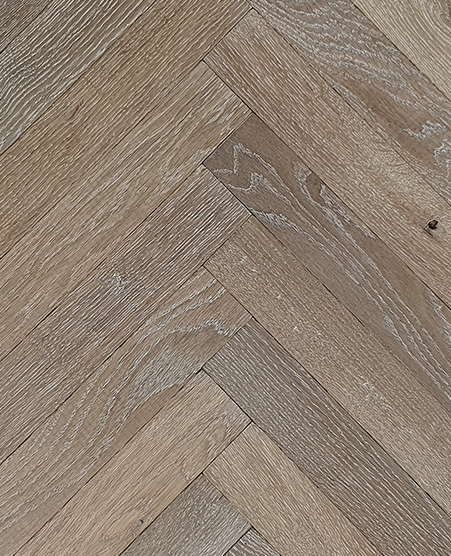
Further out toward Tillington, Byworth, Lodsworth, Fittleworth, Sutton and Bignor the work shifts toward farmhouse and converted-barn jobs in proper Petworth-estate and South Downs National Park country — herringbone re-laid across open-plan flint-and-brick kitchen-diners, walnut feature rooms in former dairy buildings, and brushed engineered oak through long flagstone hallways in estate-cottage smallholdings. The drive up the A285 is one of the better runs in the patch, the Square on a Saturday is worth catching for the dealer windows alone, and the standard never changes — same hand, same patience, same respect for the building you’re working in.
Mediaeval cottages threading Lombard Street & Pound Street
Estate villages of Tillington, Byworth & Lodsworth
South Downs farmhouses out toward Sutton, Bignor & Fittleworth